“grow in Ethiopia” search results (2000)

Ethiopian Banci Maggie Coffee Flavor Description Grindness Taste Characteristics Variety
1. Limu coffee grows between 1400 meters and 2000 meters above sea level. washed coffee. Excellent quality, with intense nutty aromas, moderate acidity and wine intensity. Annual production of 29,000 tons. Gima coffee grows between 1400 and 1800 meters above sea level. Sunburn coffee. Slightly sour, nutty and long finish. Annual production of 70,000 tons. 3. Gambi Coffee
2016-10-06 dried fruit aromatic ethiopian banki maggie coffee flavor description grind
Ethiopian Coffee Bean Flavor Manor introduces Ethiopian Coffee Brands
Ethiopian coffee beans grow in close to the natural environment, after years of planting under the same growth conditions, Ethiopian coffee beans have gradually adapted to the environment here. More than 60% of coffee beans are grown in forests or semi-forests. Large-scale coffee-growing villages account for about 35% of the country's total coffee production. Many of these are used.
2016-07-16 Ethiopia coffee beans flavor taste manor producing area introduction coffee brand
Ethiopian coffee is a coffee bean.
Origin: The Federal Democratic Republic of Ethiopia (formerly Abyssinia) is a country located in northeast Africa. The Federal Democratic Republic of Ethiopia, Ethiopia is the country of origin of coffee and the hometown of coffee. The most famous Ethiopian coffee beans are: Yega Shefi, Harald, Sidama Mocha Coffee
2015-04-17 Ethiopia Coffee Fine Coffee Bean Common Sense Origin Full Name
Ethiopian Coffee introduces Ethiopian Harald mocha coffee beans
Ethiopia Harald mocha beans (Ethiopian Harar mocha) roast taste and photo photo light roasted Harald coffee beans, brewed in a siphon coffee pot, really have a hint of citrus aroma! This Harald harar raw coffee bean looks like grade 5, irregular, long beans (longer flat beans), short flat beans, round beans, boiled beans
2016-05-22 Ethiopia Coffee introduction Harald Rahl Mocha Coffee beans
Ethiopian Coffee Manor Flavor Taste introduces Ethiopian boutique coffee beans
Sustainable coffee culture Ethiopian coffee beans grow in close to the natural environment, after years of planting under the same growth conditions, Ethiopian coffee beans have gradually adapted to the environment here. More than 60% of coffee beans are grown in forests or semi-forests. The villages that grow coffee in large areas account for about the total amount of coffee produced in the country.
2016-08-04 Ethiopia coffee manor producing area flavor taste introduction boutique coffee beans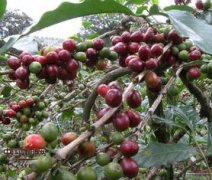
Introduction to the characteristics of Ethiopian coffee
Ethiopia is one of the major producers of Arabica coffee in Africa, producing the best Arabian coffee in the world. It is said that coffee was first discovered by shepherds in Essekafa, and the name of coffee evolved from Kafa, so Essex is still the hometown of coffee. The geographical environment of coffee production and processing is very suitable for coffee growth. Coffee is mainly cultivated.
2015-03-13 Ethiopia coffee features introduction
Good average quality; aromatic and full-bodied Ethiopian coffee plantation taste characteristics
Ethiopian coffee beans grow in a near-natural environment. After years of cultivation under the same growing conditions, Ethiopian coffee beans have gradually adapted to the environment here. More than 60% of coffee beans are forest or semi-forest grown coffee. Coffee farming villages produce about 35 percent of the country's coffee.
2016-09-13 average good quality smell mellow thick ethiopian coffee estate producing area
The flavor of Ethiopian coffee with the aroma of dried fruit. Introduction to the characteristics of fine coffee beans in the manor area.
Coffee is Ethiopia's most important export cash crop and the main source of Ethiopia's foreign exchange earnings. Ethiopia's coffee exports account for about 3% of the world market, making it the eighth largest coffee exporter in the world. Coffee exports increased steadily from 58000 tons in 1990 to 110000 tons in 1995-1996 and remained at this level in the following years. 2001-2002
2016-08-09 Dried fruit fragrant Ethiopia coffee flavor taste manor producing area characteristics
A brief introduction to the main producing areas of coffee beans in Ethiopia
Hara (Harar) / Solar or dried (Sundried/Dry-Processed) Hara is located in the Eastern Highlands of Ethiopia (Harerge Province) and grows between 5000 and 7000 feet above sea level. It was still wild on slopes a century ago. Most of the raw beans are medium size and have long tips at both ends, with a yellowish or golden green color and strong chocolate when baking.
2015-09-01 Coffee Origin Ethiopia Coffee beans main producing areas profile Hara
Boutique coffee beans introduction to Ethiopian coffee
Ethiopia is one of the major producers of Arabica coffee in Africa, producing the best Arabian coffee in the world. It is said that coffee was first discovered by shepherds in Essekafa, and the name of coffee evolved from Kafa, so Essex is still the hometown of coffee. The geographical environment of coffee production and processing is very suitable for coffee growth. Coffee is mainly cultivated.
2015-10-17 Boutique coffee beans Ethiopia coffee introduction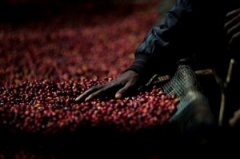
The hometown of African coffee Ethiopian boutique coffee beans
Ethiopia Coffee producing area: the full name of the Federal Democratic Republic of Ethiopia (formerly known as Abyssinia) is a country located in northeast Africa. English name: The Federal Democratic Republic of Ethiopia, Ethiopia is the country of origin and hometown of coffee. The most famous coffee beans in Ethiopia are Yega Xuefei and Harald.
2014-09-18 African coffee beans Ethiopian boutique coffee beans
Flavor and taste characteristics of Ethiopian coffee manor introduce Ethiopian coffee varieties
Ethiopian coffee beans grow in close to the natural environment, after years of planting under the same growth conditions, Ethiopian coffee beans have gradually adapted to the environment here. More than 60% of coffee beans are grown in forests or semi-forests. Large-scale coffee-growing villages account for about 35% of the country's total coffee production. Many of these are used.
2016-08-06 Ethiopia coffee manor producing area flavor taste characteristics introduction variety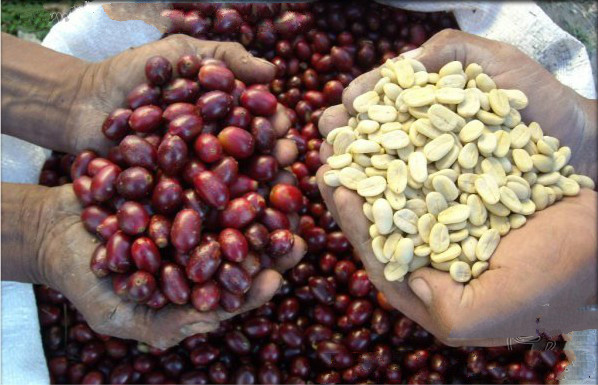
African Coffee Ethiopia sidamo Sidamo G2 Grade Water washing processed Fine Coffee cooked beans
Sidamo Washed G2 countries: Ethiopia Grade: G2 production areas: Sidamo production areas treatment: washed varieties: Heirloom Flavor: wild Ginger Flower, Honey, Citrus, Lemon there are still a large number of wild Arabica coffee trees growing in many parts of Ethiopia, with an average of 4200-6800 feet above sea level.
2016-03-26 Africa Coffee Ethiopia sidamo Dharma Grade washing treatment
Unique aromatic Ethiopian Coffee Flavor Taste introduction to Fine Coffee in Manor production area
Coffee is Ethiopia's most important export cash crop and the main source of Ethiopia's foreign exchange earnings. Ethiopia's coffee exports account for about 3% of the world market, making it the eighth largest coffee exporter in the world. Coffee exports increased steadily from 58000 tons in 1990 to 110000 tons in 1995-1996 and remained at this level in the following years. 2001-2002
2016-08-09 Unique fragrant Ethiopian coffee flavor taste manor producing area characteristics
The wine-like sour Ethiopian coffee Yega Snow Coffee Gediyo Eastern Highland Mountains
Coffee is Ethiopia's most important export cash crop and the main source of Ethiopia's foreign exchange earnings. Ethiopia's coffee exports account for about 3% of the world market, making it the eighth largest coffee exporter in the world. Coffee exports increased steadily from 58000 tons in 1990 to 110000 tons in 1995-1996 and remained at this level in the following years. 2001-2002
2016-07-05 Yes wine same sour Ethiopian coffee Yega snow coffee Ge
Introduction of Sidamo coffee beans growing in Ethiopia's southernmost Ethiopian plateau
Sidamo / Solar, Natural drying or washing (Sundried or Nature Dry-Processed and Washed) grows in the southernmost Ethiopian Plateau between 4600 and 7200 feet above sea level (Sidamo Province), southeast of Jima, just south of the capital, usually sweet and more popular, its annual output is about 225000bags/60kg, the bean body is smaller and greener than Longberry.
2016-06-23 Grow in Ethiopia South Yiso Biya Plateau Dharma Coffee beans introduction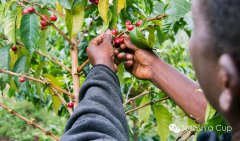
Yega Schiffe native species Woka Worka Manor Ethiopia Yega Sheffield grade G1
In fact, according to Ms. Knudsen, people started drinking fine coffee, but later, due to the growing demand for coffee, the discovery and use of new coffee varieties led to the decline of coffee quality. later, people even began to dislike this bad coffee and began to turn to other drinks. In this case, Ms. Knudsen's re-recognition
2016-07-04 Yega Chefe Native Zawo Worka Manor Ethiopia
[coffee beans] classification of Ethiopian coffee
Ethiopia jimma (djimmah Gima) Ethiopia (Ethiopia) famous coffee: Yirgacheffe, Harald, sidamo; and Djimmah are also good and balanced. It is an affordable African mocha forest coffee that grows in the natural environment and under the shade of natural forest trees.
2014-09-18 Ethiopian Coffee Gemma jimma Yega Sheffield Sidamo
Ethiopian Coffee Boutique Flavor Manor Producing Area Taste Introduction Ethiopian Coffee Brand
1. Limu coffee grows between 1400 meters and 2000 meters above sea level. washed coffee. Excellent quality, with intense nutty aromas, moderate acidity and wine intensity. Annual production of 29,000 tons. Gima coffee grows between 1400 and 1800 meters above sea level. Sunburn coffee. Slightly sour, nutty and long finish. Annual production of 70,000 tons. 3. Gambi Coffee
2016-07-18 Ethiopia Boutique Coffee Flavor Manor Region Taste Introduction Brand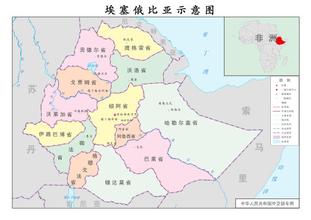
Ethiopian Coffee Coffee producing areas, Coffee Brands, Coffee Brands introduction
Ethiopia is one of the major producers of Arabica coffee in Africa, producing the best Arabian coffee in the world. It is said that coffee was first discovered by shepherds in Essekafa, and the name of coffee evolved from Kafa, so Essex is still the hometown of coffee. The geographical environment of coffee production and processing is very suitable for coffee growth. Coffee is mainly cultivated.
2016-01-18 Ethiopia Coffee producing area Brand introduction